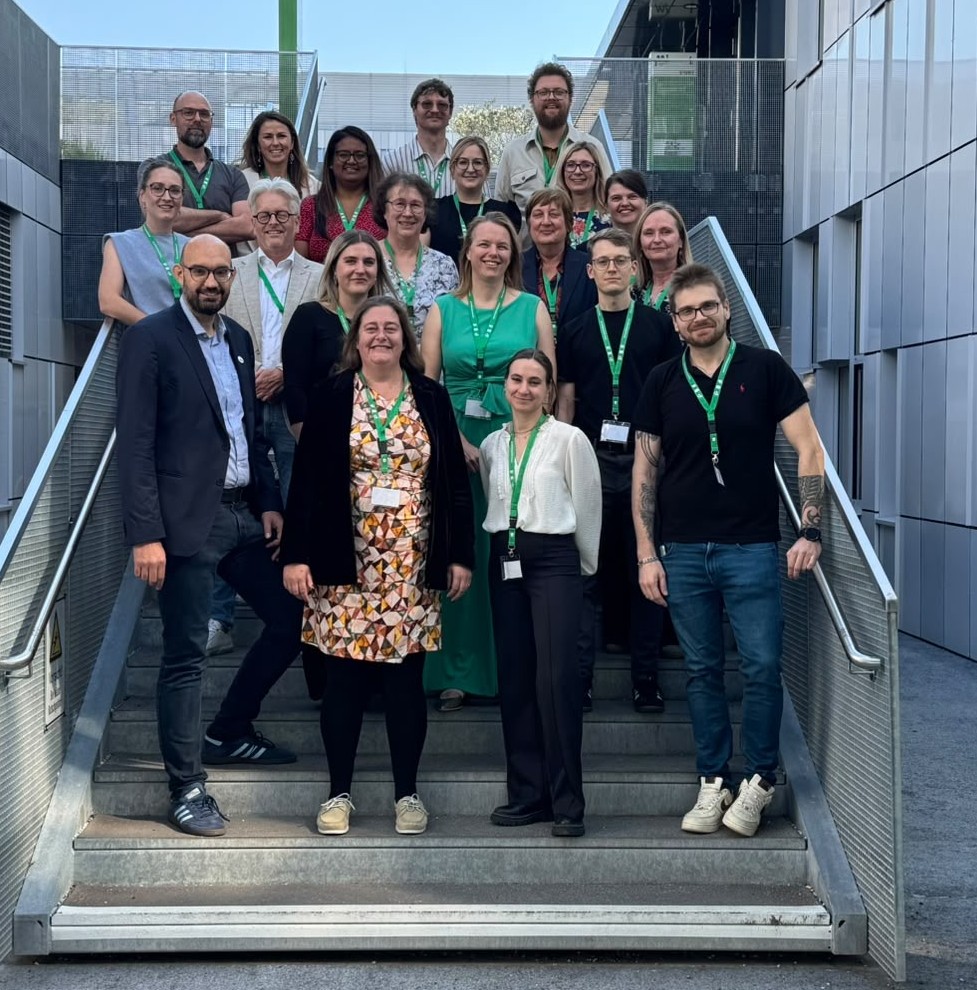
For the fourth time, researchers from the International Living Lab Network have come together for a joint Living Lab seminar. Organised by the Institute of Nursing Science at the Medical University of Graz, the event focused on the research being carried out in the respective Living Labs. Participants also discussed ways of further developing Living Lab structures and the academic examination of the Living Lab approach.
The network comprises practice-academic partnerships from the Netherlands, the United Kingdom, Austria and Germany, all of which operate according to the Living Lab approach developed at Maastricht University. During the annual meetings, there is a lively exchange of views on ongoing research projects, during which participants also reflect on national experiences of collaboration within Living Labs.
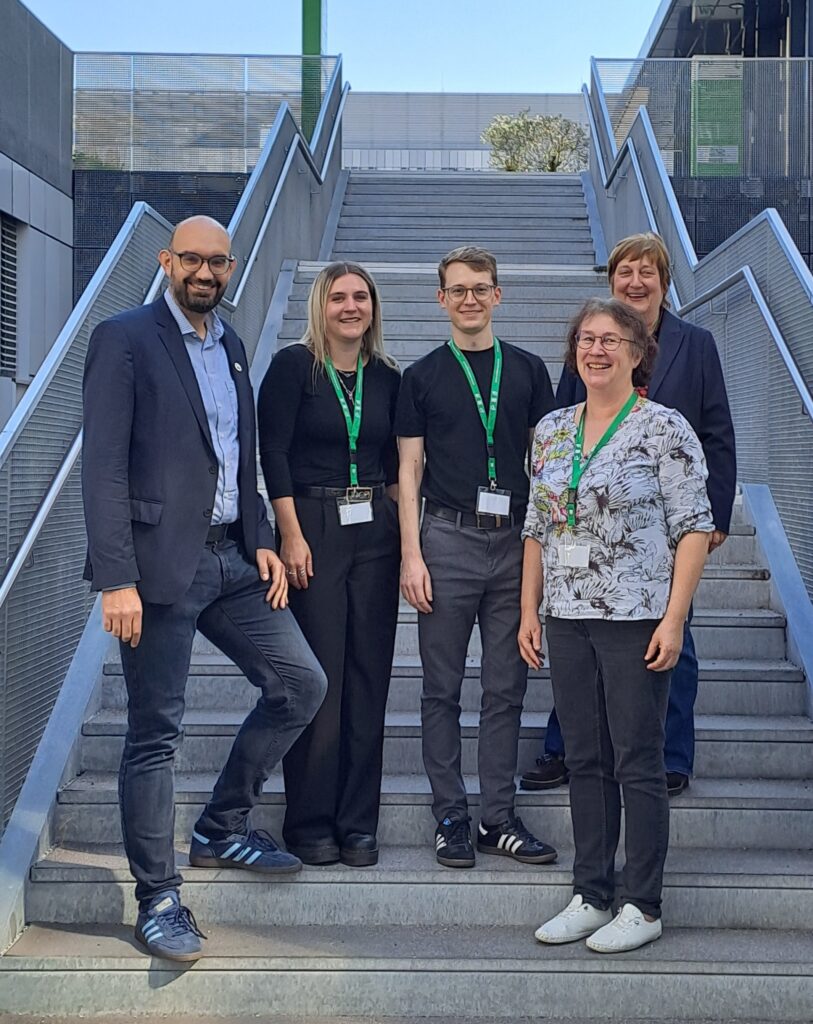
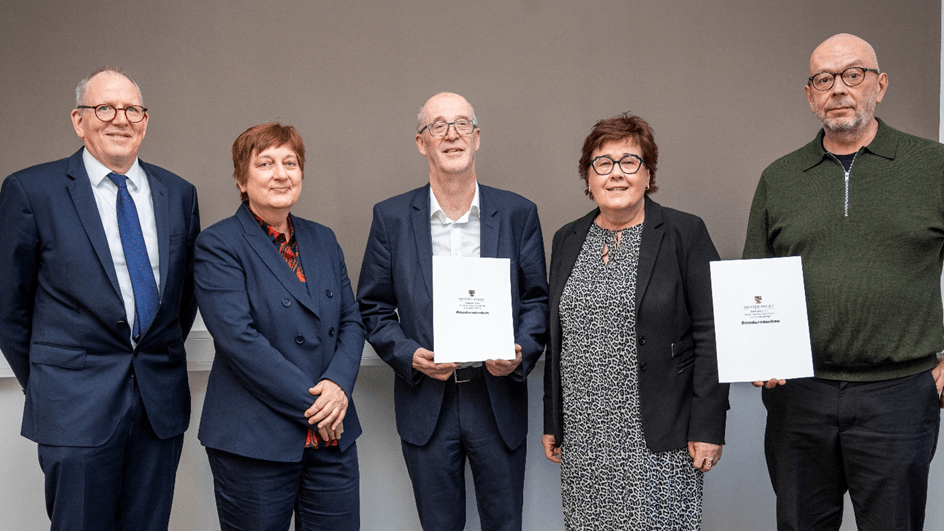
On 2 March 2026, Petra Grimm-Benne, Minister for Labour, Social Affairs, Health and Equality presented the funding notifications for the GERONT-Connect research project, which is being carried out at the PraWiLab site in Halle-Aue. The presentation marks the official launch of the project, the need for which was identified as part of the PraWiLab collaboration.
GERONT-Connect aims to improve the care of geriatric patients following a hospital stay through a multi-professional care approach incorporating case management – particularly during transitions from hospital to short-term respite care and back to the home environment. The project is funded for three years by the Ministry of Labour, Social Affairs, Health and Equality of the Federal State of Saxony-Anhalt and the Federal Association of Long-Term Care Insurance Funds. Alongside the Paul Riebeck Foundation in Halle and the Institute for Health, Midwifery and Nursing Sciences at Martin Luther University Halle-Wittenberg, the BG-Klinikum Bergmannstrost in Halle (Saale) is also involved as a project partner. The funding underscores the importance of cross-sectoral solutions for seamless and patient-centred care.
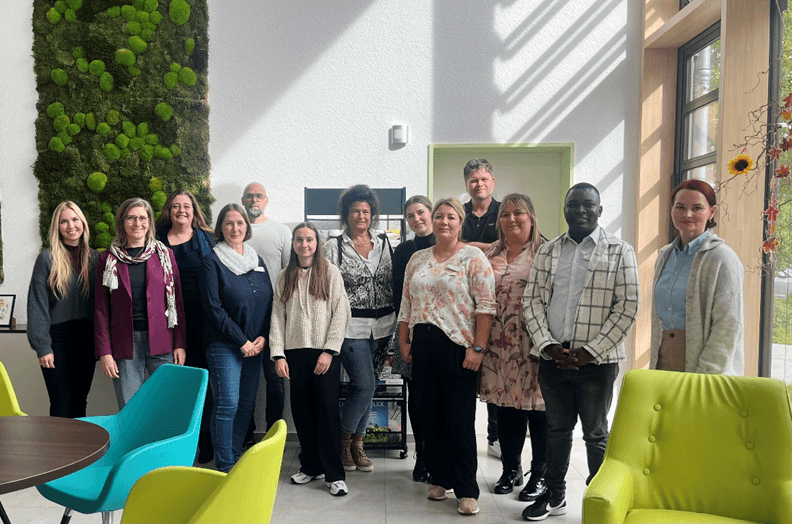
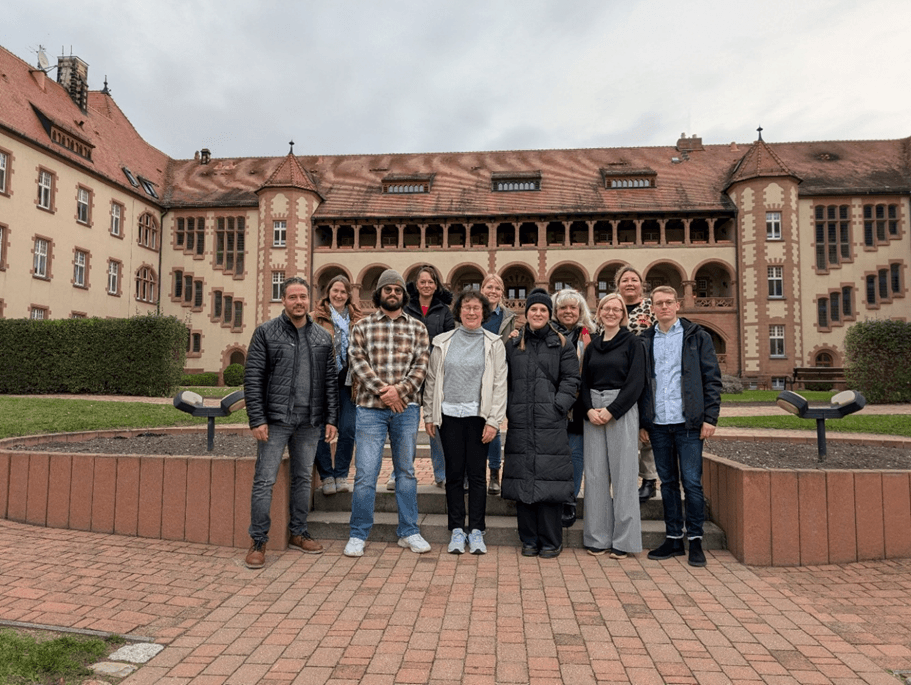
On 13 and 14 November, the fifth PraWiLab meeting took place in Halle (Saale). At ‘Riebeckpark’, a residential care home run by the Paul-Riebeck-Stiftung in Halle, representatives from all participating network partners discussed both the results of projects completed to date and those planned for the future.
Since PraWiLab became a permanent initiative in 2024, its thematic focus has been broadened: in future, the emphasis will no longer be exclusively on projects relating to dementia, but on care and support for older people in general. This is also the reason for the name change from PraWiDem to PraWiLab.
Alongside discussions on the content of joint projects, possibilities for further expanding collaboration within PraWiLab were also explored – for example, through practical days for students or through teaching assignments at universities, where staff from care settings present innovations from their organisations.
The cross-site PraWiLab meetings will continue; the next meeting is planned for spring 2027 at the Cologne/Krefeld site.
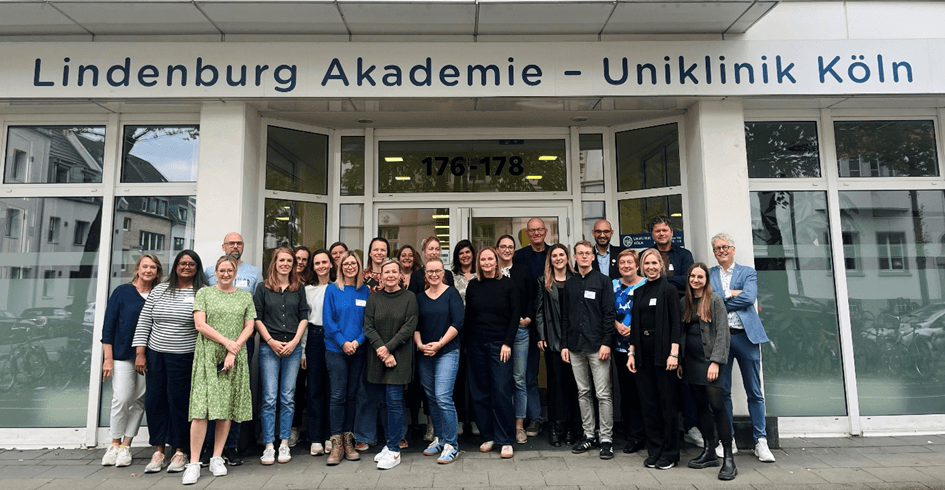
The 3rd meeting of the International Network of Living Labs in Long-Term Care took place on 25 and 26 September 2025 at the Institute of Nursing Science at the University of Cologne.
Around 30 nursing experts from the Netherlands, the United Kingdom, Austria and Germany discussed the latest research findings, methodological developments and innovative care approaches from the participating Living Labs in a series of presentations and workshops. The focus was particularly on issues relating to the quality of care, the sustainable implementation of Living Lab approaches and the strengthening of international research collaborations.
In addition, international partners visited the facilities of the practice partners in Krefeld, facilitating an in-depth and practical exchange on different care structures and care concepts across national borders.
The meeting impressively highlighted the added value of international cooperation for the further development of sustainable long-term care. The network meeting of the international cooperation partners takes place annually and serves to further develop joint research and knowledge transfer activities on an ongoing basis.